
What alarm response means
Alarm response is a security service in which a licensed guard is sent to your property when your monitored alarm activates. The guard inspects the outside and, with your keys, the inside; calls police or fire if there are signs of a break-in or danger; secures the premises; and sends you a written report with photos. Secure 24 Seven provides it across Toronto and the GTA, 24/7/365.
From the first beep to your inbox
Most alarms turn out to have an ordinary cause. The value of a response guard is knowing which ones don’t — and acting properly on both.
Every step is written into your site’s post orders in advance: who to call, which doors to check, whether to reset the panel, and where the keys are.
-
Signal
Alarm triggers
A door contact, motion detector, glass-break sensor or panic button activates and the panel reports it to your monitoring station.
-
Call
Monitoring station calls us
Your monitoring company works through its call list and requests guard response, passing on the zone details — front door, rear dock, office motion.
-
Dispatch
Guard dispatched immediately
A GPS-tracked mobile unit is sent the moment the request lands. We don’t wait for a second signal or a callback.
-
On scene
Perimeter, then interior
The guard walks the outside first — doors, windows, roof access, loading bays — then, if keys are provided, enters and checks room by room along the zones that tripped.
-
Decide
What did the guard find?
Signs of entry, fire or dangerGuard calls 9-1-1 and reports as an on-scene witness, keeps a safe distance, meets police or fire on arrival and gives them access.
No sign of a problemGuard identifies the likely cause — an unlatched door, a draft, a stray balloon — and resets the panel if your instructions allow it.
-
Secure
Leave it locked
Doors re-secured and the system re-armed. If an opening can’t be closed, the guard stays on site or arranges a guard to remain until you decide what’s next.
-
Report
Report & keyholder update
You receive a digital incident report with times and photos, and your keyholder list is updated with the outcome — so the next person you call already knows.
Police can’t chase every beep — and in Toronto, they don’t
The vast majority of burglar alarms police attend turn out to be false, so Toronto and York Region police have moved to verified response: someone must confirm there is a real problem before officers are sent. Since September 10, 2018, Toronto Police Service has required burglar alarms to be verified first — by audio, video, multiple zone activations, or an eyewitness such as private security at the scene.
A response guard is that eyewitness. If there is a break-in, the guard’s call gives police the confirmation they need. If there isn’t, police are not sent to a false alarm, so you avoid the fee and a strike toward having police response suspended.
Summarized from published police alarm policies (Toronto Police Service, York Regional Police, Peel Regional Police). Policies and fees change — your monitoring company can confirm the rules that apply to your address. In an emergency, always call 9-1-1.
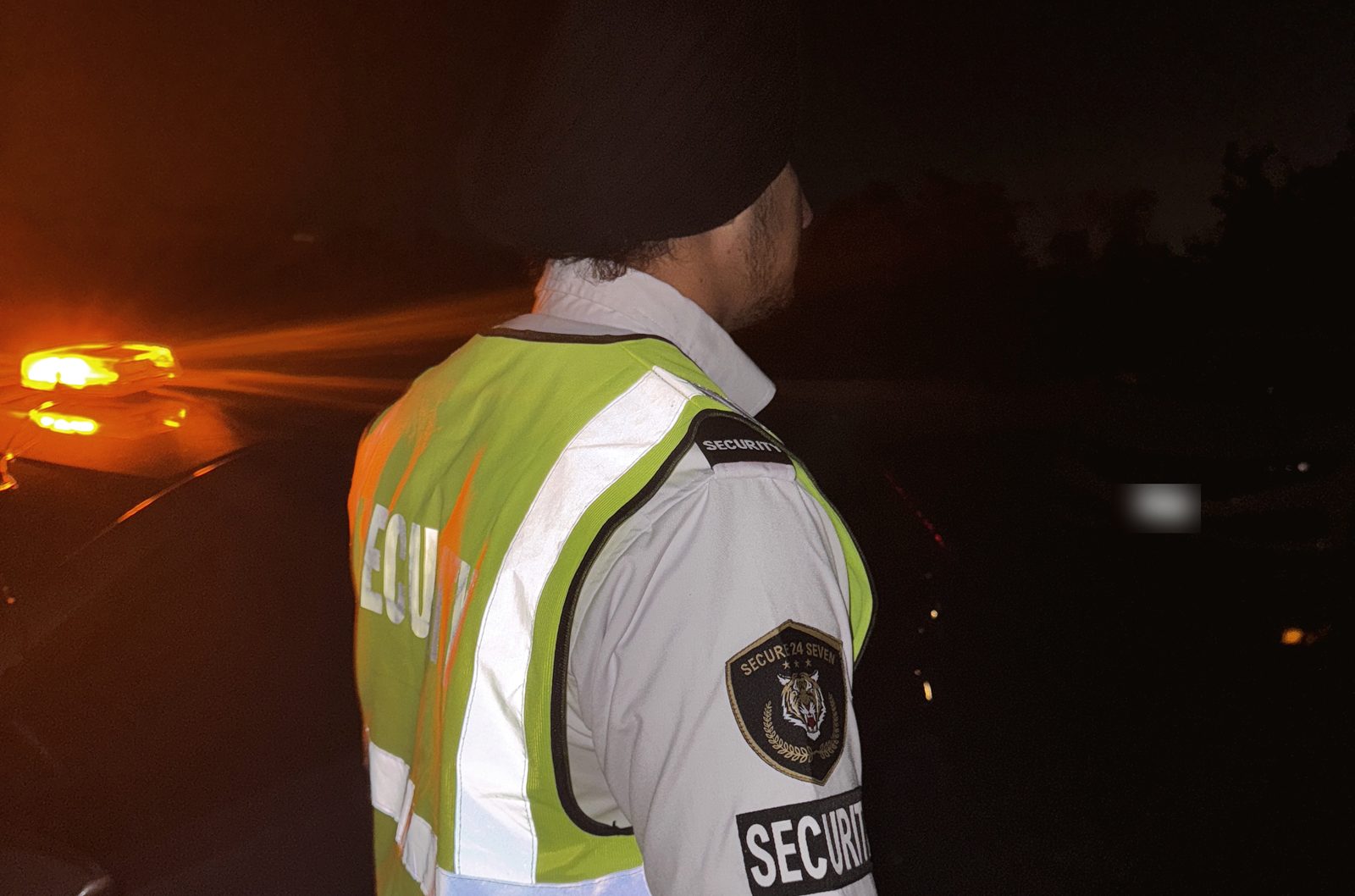
Stop being the name at the top of the call list
Most monitoring contracts expect a keyholder who can get to the building, let police or fire in, and lock up afterwards. That is usually an owner or manager woken in the middle of the night. With keyholding, you give us a set of keys and the alarm instructions instead — and our guard becomes the person who shows up.
- Youprovide keys, alarm user code and written instructions
- Wehold them under your site’s post orders
- Guardopens up for inspection, police, fire or an emergency contractor
- Guardrelocks, re-arms and reports back to you
Without keys, a response is limited to the exterior: the guard checks the perimeter, reports what is visible and waits with police or fire for your keyholder if entry is needed.
Five kinds of property, five different alarms
Retail stores
Typical triggers Smash-and-grab at the front glass, a rear door left on the latch at closing.
Guard focus Storefront glass, cash office, stockroom and dock doors.
Offices
Typical triggers Late cleaners or staff using the wrong code, motion sensors catching HVAC airflow.
Guard focus Suite entries, server and file rooms, confirming who was legitimately inside.
Warehouses
Typical triggers Pried overhead doors, yard intrusions, trailers tampered with overnight.
Guard focus Dock doors, yard fencing, trailers and high-value storage cages.
Homes
Typical triggers Owners travelling, a basement window or patio door, pets on motion sensors.
Guard focus Every ground-floor entry, garage, signs of water or fire, a report you can read from abroad.
Construction sites
Typical triggers Wireless sensors on sea-cans and site trailers, wind-blown hoarding.
Guard focus Tool storage, fuel, equipment and gate locks after hours.
Alarm response FAQs
Do I still need an alarm monitoring company?
Yes. Your monitoring company receives the signal from your panel; we are the people they send. Add us to their call list as your response provider and keyholder, and they request a guard every time an alarm comes in.
How fast will a guard get there?
A guard is dispatched immediately when the request arrives. Arrival time depends on where the property is and on traffic, so during setup we look at your location and tell you honestly what to expect.
What happens if the guard finds a break-in?
The guard calls 9-1-1, describes what they can see and keeps a safe distance rather than searching for an intruder. Once police or fire arrive, the guard provides access and information, then stays to secure the property and documents everything in your report.
Can you respond to my home while I’m away?
Yes — homes are one of the most common uses, especially during travel. Many homeowners pair alarm response with scheduled house watch visits or mobile patrol checks so the property is looked at even when nothing trips.
How is alarm response priced?
It depends on whether you want per-call response or a monthly arrangement, whether keyholding is included, how many sites you have and where they are. Tell us about your property and we’ll recommend the simplest option that fits.
Put a guard behind your alarm
Tell us where the property is and who monitors it. We’ll write the response instructions, arrange keyholding if you want it, and be ready for the next signal.
Related technology
Alarm Response Quote
Tell us about your site and the coverage you need — we’ll get back to you quickly.