
Pick the stops your property needs
Most patrol plans mix two or three of these. A plaza might take random visits all night plus a lock-up check at closing; a vacant building might need one thorough inspection and alarm response on call.
- 01
Random patrols
Unannounced visits at varied times, so anyone watching your site can’t learn the gaps. Each visit includes a walk-around and door checks.
Best forPlazas, parking lots, industrial yards - 02
Scheduled patrols
Visits at set times you choose — right after closing, in the early hours, before staff arrive — when your risk window is predictable.
Best forSites with fixed hours or set inspection times - 03
Lock-up & unlock
A guard opens or secures the building on schedule: doors, windows, lights and alarm, confirmed and logged — no manager driving in at midnight.
Best forOffices, community buildings, multi-tenant sites - 04
Alarm-triggered
When your alarm or monitoring company calls, a patrol is dispatched immediately to check the property, secure it and report what was found. About alarm response
Best forAny monitored property - 05
Vacant property
Interior and exterior inspections of empty buildings: signs of entry, water, heat, damage and dumping, with photos for owners and insurers.
Best forFor-lease units, estates, pre-redevelopment
Patrol or full-time guard?
Weigh your site against each line. If most of your answers land on the left, patrols will likely do the job; if they land on the right, a guard on post is worth the extra hours.
Plenty of sites land in the middle — a guard on high-risk nights, patrols on the rest. Read the full patrol vs. guard guide or see our on-site security guards.
Who mobile patrol suits
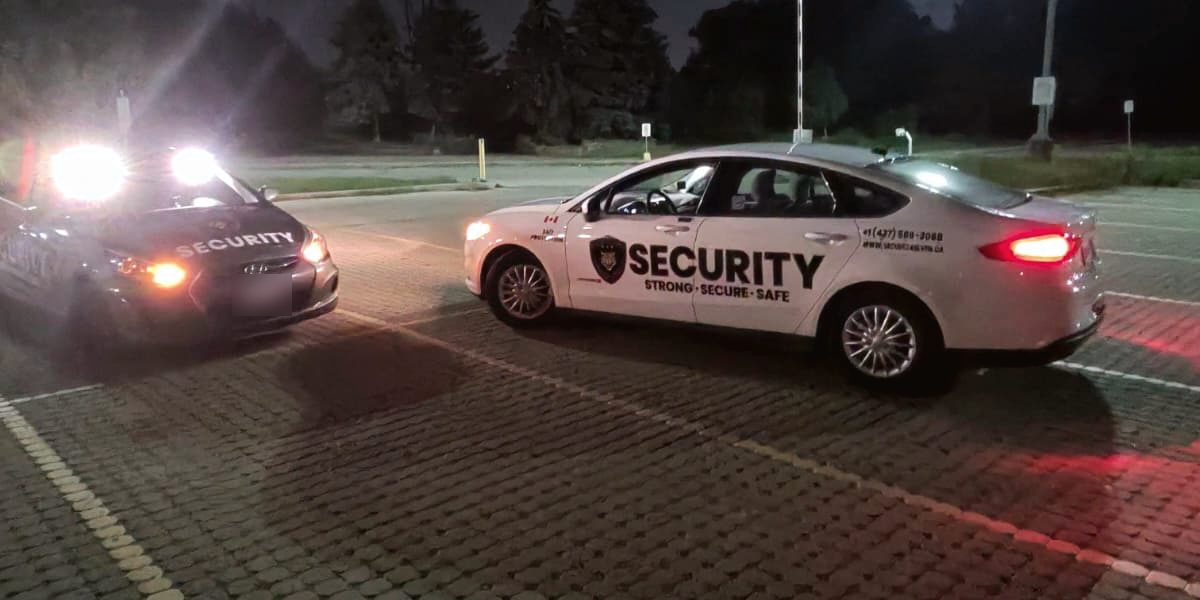
Patrols work best where a property needs a visible, regular check rather than a person on post every hour.
- Retail plazasAfter-close checks, loiterers, rear lanes
- Industrial yardsGates, fences, parked trailers
- Vacant buildingsEntry, damage and utility checks
- Residential communitiesParking, amenities, common areas
- Paused job sitesBetween-shift and weekend visits
- Multi-site portfoliosOne route, many addresses — property managers
Mobile patrol FAQs
Can’t see yours? Ask us on WhatsApp or at [email protected].
- STOP01
How often will a patrol visit my property?
As often as your risk calls for — the number of visits per night, the time spent on site and the hours they fall in are all set in your patrol plan. Visits can be increased for holidays, events or after an incident, and scaled back when things settle.
- STOP02
What happens if the guard finds a problem?
The guard follows the escalation steps in your post orders: securing what can be secured, contacting you or your on-call manager, and calling police, fire or paramedics when needed. Everything is photographed and written into an incident report.
- STOP03
Can my alarm company call you directly?
Yes. We add your monitoring company’s instructions and your key arrangements to the plan, so when they call, a patrol is dispatched immediately. Read more about alarm response.
- STOP04
How do I know the patrol actually showed up?
Every visit is GPS-tracked and time-stamped, and the digital report records arrival, departure, checkpoints and photos. You see the evidence, not just an invoice line.
- STOP05
How is mobile patrol priced?
Pricing depends on how many visits you need, how long each takes, the tasks involved such as lock-ups or interior checks, and where the property sits on the route. Because a patrol unit’s time is shared across sites, it is often chosen when a full-time post isn’t justified.
Related technology
Mobile Patrol Quote
Tell us about your site and the coverage you need — we’ll get back to you quickly.